
In today’s competitive digital landscape, your business website is far more than a mere online presence; it’s a pivotal asset dictating your ability to generate leads, foster customer relationships, and streamline daily operations. For Australian small to medium-sized businesses, a strategic approach to website design is crucial for standing out.
This comprehensive guide delves into how a well-crafted website can transform your business, offering actionable insights on everything from conversion-focused design to technical foundations and operational efficiency. By investing in a high-performing digital platform, you empower your business for sustainable growth in 2026 and beyond.
Unlock Business Growth: The Strategic Role of Website Design
More Than an Online Brochure: Your Digital Command Centre
Gone are the days when a website served primarily as a static online brochure. Today, your website functions as a dynamic, interactive digital command centre, actively working to achieve your business objectives. It’s the central hub for all your Google Ads campaigns or organic search results. A modern website engages visitors, collects valuable data, automates tasks, and provides unparalleled customer service. It should be designed as a strategic tool capable of driving specific business outcomes, rather than just showcasing information. Recognising this shift is the first step towards leveraging your online presence for substantial growth.
Why Your Australian Business Needs a High-Performing Site in 2026
The Australian market, like global ones, is increasingly digital-first. Consumers expect instant access to information, seamless user experiences, and immediate solutions. In 2026, a high-performing website is not a luxury but a fundamental necessity for Australian businesses aiming to compete effectively. It acts as your 24/7 sales representative and customer service agent, catering to diverse time zones and busy schedules. Without a site optimised for speed, user experience, and mobile responsiveness, you risk losing potential leads to competitors who have invested in their digital front door. Furthermore, Google’s continuous algorithm updates prioritise user-centric sites, making performance directly linked to online visibility and trust.
Designing for Conversion: Turning Website Visitors into Valued Leads
Crafting Compelling Calls-to-Action (CTAs)
Effective Calls-to-Action (CTAs) are the lynchpin of a conversion-focused website design, guiding visitors towards the next step in their journey with your business. A compelling CTA is clear, concise, and offers a strong value proposition, often using action-oriented language like “Get a Free Quote,” “Book a Consultation,” or “Download Our E-book.” Placement is paramount; CTAs should be strategically positioned where they are easily visible and relevant to the surrounding content, appearing both above the fold and at logical points within the page. Testing different CTA phrasing, colours, and positions can significantly improve your conversion rates, turning passive visitors into active leads. Without clear direction, visitors are likely to leave without engaging.
Intuitive User Experience (UX) & Navigation Pathways
An intuitive User Experience (UX) ensures that visitors can effortlessly find what they need, enhancing their satisfaction and encouraging deeper engagement. This involves designing a clear and logical navigation structure, simple forms, and easily accessible contact information. A well-organised site architecture prevents frustration and bounces, leading to longer visit durations and a higher likelihood of conversion. Consider the user’s perspective at every stage, from their initial landing to their ultimate goal. Employing principles of good UX design, such as consistent branding, clear headings, and predictable layouts, creates a trustworthy and professional impression, directly impacting how potential clients perceive your business and its offerings.
Mobile-First Design: Capturing Every Opportunity
With an increasing percentage of web traffic originating from mobile devices, a mobile-first design approach is no longer optional; it’s a foundational requirement for any modern business website. This methodology prioritises the design and functionality for smaller screens before scaling up to larger desktop views, ensuring an optimal experience for all users. A truly responsive design adapts seamlessly across various devices, providing fast loading times, legible text, and easily tappable elements on smartphones and tablets. Google actively favours mobile-friendly websites in its search rankings, meaning a robust mobile-first strategy is essential for maintaining and improving your online visibility and for capturing every potential lead, regardless of how they access your site.
Boost Efficiency: How Smart Website Design Streamlines Business Operations
Integrating with CRM Systems for Seamless Lead Management (CRM Implementation)
A smartly designed website acts as a powerful data collection engine, and its true efficiency is unlocked when seamlessly integrated with a Customer Relationship Management (CRM) system. When a visitor fills out a contact form, requests a quote, or downloads a resource, their information should automatically feed into your CRM. This eliminates manual data entry, reduces errors, and ensures that no lead falls through the cracks. Effective
Reducing Administrative Burden with Intelligent Web Solutions
The cumulative effect of well-integrated CRM and automation features is a substantial reduction in administrative burden. Imagine the time saved when enquiry forms auto-populate your CRM, booking requests automatically update calendars, and payment gateways process transactions instantly. Intelligent web solutions can automate email sequences, track inventory (for e-commerce), and even manage client testimonials. This efficiency translates directly into cost savings and allows your team to dedicate more time to core business activities, innovation, and client relationships. A website designed with these capabilities in mind becomes an invaluable asset, not just a marketing tool, but a powerful operational partner that drives your business forward with greater agility and precision.
The Core Components of an SEO-Friendly & High-Performing Business Website
Robust Site Architecture for Search Engine Optimisation (SEO Services)
The foundation of a high-performing website is a robust site architecture, meticulously designed to be both user-friendly and highly appealing to search engines. A clear, hierarchical structure helps search engine crawlers understand your site’s content and its relationships, facilitating better indexing and ranking. This involves logical categorisation of pages, intuitive internal linking, and easily navigable pathways. For effective
Speed, Security, and Scalability: The Technical Foundations
Beyond aesthetics and structure, the technical foundations of your website — speed, security, and scalability — are critical for both user experience and search engine rankings. A fast-loading website is paramount; users expect pages to load in seconds, and Google heavily factors page speed into its ranking algorithms. Robust security measures, including SSL certificates and regular updates, build trust with your audience and protect sensitive data, which is essential for e-commerce and lead generation. Furthermore, your website must be built with scalability in mind, capable of handling increased traffic and expanded content as your business grows without requiring a complete overhaul. Investing in a reliable hosting and development foundation, built to modern web standards, ensures your site scales smoothly as your business grows.
Your Website as the Hub: Integrating with Your Digital Marketing Ecosystem
In today’s competitive landscape, your website is far more than just an online brochure; it’s the central nervous system of your entire digital marketing operation. A thoughtfully designed website acts as the primary destination for all your digital efforts, from paid advertising to social media engagement. Its ability to capture, nurture, and convert leads directly impacts your business’s bottom line. Integrating your website seamlessly with various digital channels ensures a cohesive customer journey and maximises the return on your marketing investment. This integration allows for robust data collection, enabling a clearer understanding of user behaviour and the efficacy of different campaigns, which is crucial for any Australian small to medium-sized business (SME) aiming for sustainable growth.
Driving Targeted Traffic with Google Ads Management & Optimised Landing Pages
Effective Google Ads management is paramount for quickly driving qualified traffic to your website. For Australian SMEs, this means strategically bidding on keywords relevant to local searches and specific services, ensuring your ads reach potential customers precisely when they are searching for solutions. The success of these campaigns heavily relies on sending users to highly optimised landing pages designed for conversion. A common pitfall is directing paid traffic to a generic homepage, which often leads to higher bounce rates and wasted ad spend. Instead, each landing page should be hyper-focused on the ad’s offer, featuring clear calls-to-action (CTAs), compelling copy, and minimal distractions. Actionable steps include continuous A/B testing of headlines, imagery, and CTA buttons to refine performance, along with rigorous keyword research to identify high-intent search terms. Regularly reviewing your campaign’s performance metrics ensures your budget is allocated efficiently to generate the highest number of qualified leads.
Leveraging Social Media (Strategy & Management, Not Content Creation) and Email Marketing
While Magma Solutions focuses on social media strategy and management rather than content creation, its integration with your website is vital. A strong social media strategy directs interested users to specific website pages, whether it’s for lead generation, service inquiries, or information gathering. For instance, a Facebook ad promoting a new service should link directly to a dedicated service page on your website. Similarly, email marketing remains one of the most powerful tools for customer retention and upselling. Your website should prominently feature clear opportunities for visitors to subscribe to your newsletter, enabling you to build an engaged audience. Email campaigns can then drive traffic back to your website for blog updates, product launches, or special offers. The key is to maintain consistent branding and messaging across all these channels, creating a seamless and trustworthy experience for your audience and reinforcing your brand’s presence.
Tracking & Analytics: Measuring Success and Informing Strategy
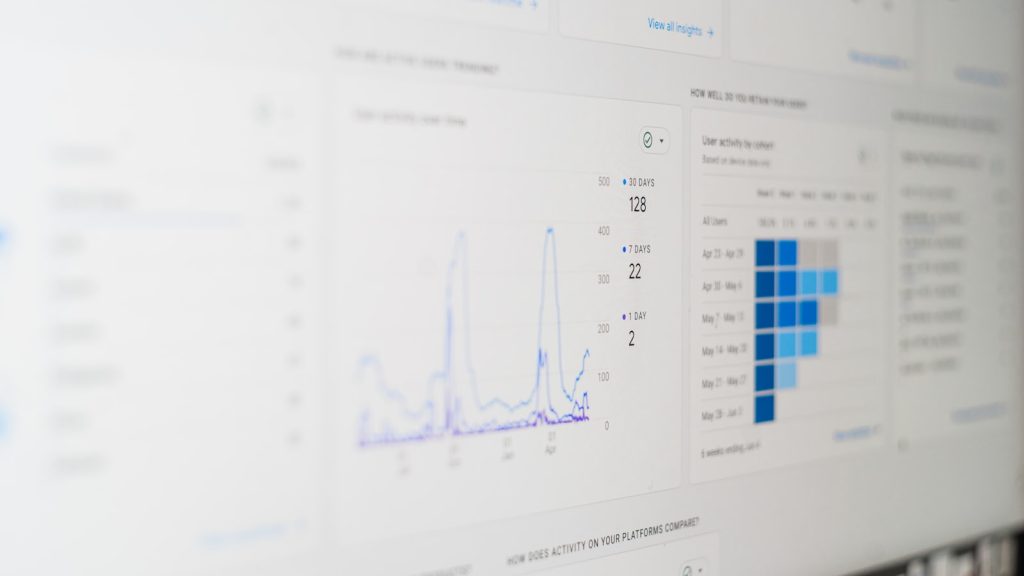
No digital marketing effort is complete without robust tracking and analytics. Your website serves as the primary data collection point, providing invaluable insights into user behaviour, campaign performance, and conversion paths. Implementing tools like Google Analytics (or other comprehensive platforms) allows you to monitor key performance indicators (KPIs) such as website traffic, bounce rate, time on page, and conversion rates. Without proper setup, businesses risk making decisions based on assumptions rather than data. A common pitfall is failing to configure conversion goals, meaning you can’t accurately measure how many website visitors complete desired actions, like filling out a contact form or making a purchase. Actionable steps involve setting up detailed event tracking for critical interactions, regular data analysis, and using these insights to refine your digital marketing strategy. This data-driven approach is fundamental for optimising your website and ensuring your digital marketing budget delivers measurable results.
Beyond the Browser: Complementary Digital Solutions for Holistic Growth
While your website forms the core of your digital presence, a truly holistic growth strategy often extends beyond the traditional browser experience. Integrating complementary digital solutions can significantly enhance operational efficiency, deepen customer engagement, and open new avenues for business expansion. These solutions are not replacements for a strong website but rather powerful extensions that cater to specific business needs or customer interaction preferences. For Australian businesses, this often means exploring technologies that provide a competitive edge, streamline internal processes, or offer unparalleled convenience to their clientele, all while maintaining seamless integration with their existing online infrastructure.
Custom App Development: Extending Functionality and User Engagement
For many businesses, a custom application can unlock new levels of functionality and user engagement that a standard website might not fully provide. Whether it’s a mobile app for direct customer interaction, a web-based portal for clients, or an internal tool for streamlining operations, custom app development addresses specific business challenges. Decision criteria for an app include identifying unique user needs, assessing the long-term value, and considering the complexity of integration with existing systems. A common pitfall is developing an app without a clear problem to solve or a well-defined target audience, leading to underutilisation and wasted resources. Example: A trades business might develop an app allowing clients to book services, track job progress, and receive invoices, significantly improving customer experience and administrative efficiency. Actionable steps involve thorough user research, developing a Minimum Viable Product (MVP) to test core features, and ensuring seamless API integration with your website and business automation systems. This approach ensures your app is purpose-built and delivers tangible value.
Physical Presence & Digital Synergy: Magma Printing, Signage, and More
Even in a predominantly digital era, the synergy between your online presence and physical touchpoints remains crucial for brand reinforcement and lead generation, especially for local Australian businesses. Magma Solutions offers printing services and signage that integrate your digital brand identity into the real world. Think consistent branding across your website, business cards, brochures, and external signage for your premises or vehicles. This cohesion builds trust and recognition. A common pitfall is having disjointed branding, where online aesthetics don’t match physical materials, creating confusion for customers. Decision criteria involve identifying key physical touchpoints and ensuring all printed materials reflect your brand’s digital persona. Example: A retail store’s website promotes a sale, while in-store signage and flyers use the same visual language and call-to-actions, driving both online and offline conversions. Actionable steps include developing comprehensive brand guidelines and partnering with a provider that understands the importance of this digital-physical integration, ensuring all materials consistently represent your brand’s values and messaging, as covered by our Magma Digital & Printing services.
Ongoing Digital Support & Website Maintenance for Long-Term Success
The launch of a website is just the beginning; its long-term success hinges on consistent ongoing digital support and meticulous website maintenance. This encompasses everything from security updates and software patching to performance monitoring, content refreshes, and regular backups. Neglecting these aspects is a significant pitfall, potentially leading to security vulnerabilities, slow load times, broken functionalities, and even complete website outages. Such issues not only frustrate users but can also severely impact your search engine rankings and overall business reputation. Decision criteria for maintenance include assessing the frequency of updates required by your CMS (e.g., WordPress), the complexity of your site, and the need for dedicated technical support. Actionable steps involve establishing a proactive maintenance schedule, implementing robust security protocols, and engaging a reliable partner for continuous monitoring and support. This ensures your website remains secure, fast, and fully functional, supporting your business’s objectives indefinitely, as detailed in our website maintenance services.
Partnering for Success: What to Expect from a Website Design & Development Agency
Engaging a professional website design and development agency is a strategic investment for any business serious about its online presence and growth. Beyond simply building a website, a reputable agency acts as a partner, guiding you through the complexities of digital strategy, user experience, technical implementation, and ongoing optimisation. The right partnership can transform your digital footprint, ensuring your website not only looks good but also performs optimally in terms of lead generation, operational efficiency, and scalability. It’s about leveraging expert knowledge and resources to achieve measurable business outcomes that align with your long-term vision.
The Collaborative Design & Development Process
A successful website project thrives on a collaborative process, where your insights as the business owner are combined with the agency’s technical and creative expertise. Typically, this process begins with a discovery phase, where your agency dives deep into your business goals, target audience, and competitive landscape. This leads to strategic planning, wireframing, and design mock-ups for your review. Iterative feedback cycles are crucial here to ensure the visual design and user experience align with your expectations. Once designs are approved, development commences, followed by rigorous testing to ensure functionality, responsiveness, and security across all devices and browsers. A common pitfall is a lack of clear communication or undefined project scope, which can lead to delays and budget overruns. Actionable steps for you include providing timely feedback, clearly articulating your vision, and establishing key performance indicators (KPIs) from the outset to measure success post-launch. This collaborative approach ensures the final product is a true reflection of your business objectives and resonates with your target market.
The Value of Experience: Why Choose an Australian Digital Marketing Agency
Opting for an Australian digital marketing agency offers distinct advantages, particularly for local small and medium-sized businesses. An Australian agency possesses an innate understanding of the local market nuances, consumer behaviour, and regulatory environment. This local expertise is invaluable for crafting SEO strategies that target Australian demographics effectively, designing websites that resonate culturally, and ensuring compliance with local data privacy laws. Furthermore, working with a local team eliminates potential communication barriers, time zone differences, and cultural misunderstandings often associated with offshore providers. You gain direct access to a team that understands your business context and can offer personalised, face-to-face (or local virtual) support. A key decision criterion should be an agency’s proven track record with other Australian businesses and their ability to demonstrate tangible results within the local market. For a comprehensive digital marketing and business technology agency, this local specialisation is a cornerstone of effective strategy.
Post-Launch Optimisation and Ongoing Digital Support
The launch of your website is not the finish line, but rather the starting point for continuous improvement. A reputable agency will provide robust post-launch optimisation and ongoing digital support to ensure your website continues to perform optimally and adapt to evolving market demands. This includes monitoring website analytics, implementing SEO enhancements, conducting A/B testing to improve conversion rates, and regularly updating content. Ignoring this crucial phase is a common pitfall, as website performance can degrade over time without proactive management. Example: After launch, an agency might discover through analytics that a particular service page has a high bounce rate. They would then propose A/B testing new headlines or revising the content to improve engagement. Actionable steps for businesses include maintaining an open dialogue with their agency, actively reviewing performance reports, and being prepared to invest in ongoing adjustments to maximise the website’s long-term value and ensure it remains a powerful tool for lead generation and efficiency.
Avoiding Common Website Design Pitfalls for Australian SMEs
For Australian small and medium-sized enterprises (SMEs), a well-designed website is a critical asset. However, several common pitfalls can undermine its effectiveness, leading to missed opportunities, poor user experiences, and ultimately, a negative impact on business growth. Recognising and actively avoiding these traps is essential for any business aiming to maximise its online potential. This requires a proactive approach to website development and ongoing management, focusing on key areas that directly influence user engagement, search engine visibility, and operational reliability.
The Trap of Neglecting Mobile Responsiveness
In 2026, neglecting mobile responsiveness is perhaps the most detrimental website design pitfall for Australian SMEs. A significant portion of online traffic, especially for local services and retail, originates from mobile devices. If your website isn’t optimised to display and function flawlessly across smartphones and tablets, you’re alienating a large segment of your potential customer base. A non-responsive site leads to frustrated users, high bounce rates, and significantly impacts your search engine rankings, particularly with Google’s mobile-first indexing. Decision criteria for evaluating responsiveness include testing your site on various devices and browser sizes, looking for distorted layouts, tiny text, or unclickable buttons. The consequence of this pitfall is a direct loss of leads and credibility. Actionable steps involve prioritising a truly responsive design from the outset of any new website project or investing in a comprehensive redesign to ensure your site offers an optimal viewing experience on every device, thereby enhancing user satisfaction and SEO performance.
Ignoring Website Performance and Load Speed
In an age of instant gratification, website performance and load speed are non-negotiable. Users expect websites to load quickly, and even a delay of a few seconds can lead to significant abandonment rates. For Australian SMEs, slow load times translate directly to lost leads and reduced conversions. Beyond user experience, Google heavily factors website speed into its search ranking algorithms, particularly in relation to Core Web Vitals. Ignoring this pitfall can result in lower visibility in search results. Common causes include unoptimised images, excessive code, inefficient hosting, and reliance on too many third-party scripts. Performance optimisation should be a continuous process. Decision criteria involve regularly testing your website’s speed using tools like Google PageSpeed Insights and addressing identified issues promptly. Actionable steps include optimising all images, leveraging browser caching, minifying CSS and JavaScript files, and choosing a high-quality, reliable web hosting provider. Investing in speed is investing in your customer’s patience and your site’s discoverability.
Skipping Regular Website Maintenance and Security Updates
Many SMEs view their website as a “set and forget” asset, but skipping regular website maintenance and security updates is a critical and dangerous pitfall. Websites, especially those built on content management systems like WordPress, are constantly targeted by malicious actors. Outdated software, plugins, or themes create vulnerabilities that hackers exploit, leading to data breaches, website defacement, or even complete site shutdowns. Beyond security, maintenance also covers performance checks, broken link repairs, database optimisation, and regular backups, all of which contribute to a healthy, functioning site. A lack of maintenance can result in slow performance, broken features, and a poor user experience, directly undermining your digital marketing strategy. Decision criteria include understanding the update frequency of your platform and the potential risks of neglect. Actionable steps involve implementing a proactive maintenance schedule, ensuring all software is kept up-to-date, using strong security protocols, and maintaining regular offsite backups. This ongoing vigilance is essential for protecting your business’s online reputation and data integrity.
Effectively navigating the digital landscape requires a well-integrated website that serves as a robust foundation for all marketing efforts, complemented by strategic digital solutions and a commitment to ongoing maintenance and optimisation. By understanding and avoiding common pitfalls, Australian SMEs can build a powerful online presence that drives leads, enhances efficiency, and fosters sustainable growth.
For businesses seeking expert guidance on website design, development, digital marketing, and business technology solutions, magmasolutions.com.au offers tailored strategies and support to help you achieve your goals.